The Command Center: Understanding Your Central Nervous System (CNS)
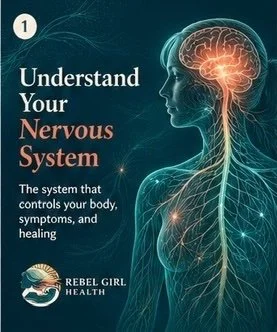
To understand why chronic illness makes you feel the way it does, we first need to look at your body's ultimate control room: the Central Nervous System.
The CNS consists of two main parts:
The Brain: The processor where thoughts, emotions, and sensory interpretations (like pain) happen.
The Spinal Cord: The superhighway that carries messages back and forth between your brain and the rest of your body (the peripheral nervous system).
Normally, your nervous system is a perfect alarm system. If you touch a hot stove, the nerves in your hand send a signal up your spinal cord to your brain. Your brain registers "DANGER! HOT!" and you pull your hand away. Once the threat is gone, the alarm turns off.
But what happens when the alarm gets stuck in the "ON" position?
What is Central Sensitization? (The "Stuck Alarm")
Central Sensitization is a condition where the Central Nervous System becomes highly reactive, wired, and hypersensitive. It undergoes a physical rewiring—a phenomenon called neuroplasticity—but in a negative direction.
Instead of turning off after an injury or illness passes, the CNS stays on high alert. This causes two major issues:
Allodynia: Feeling pain from things that shouldn't hurt at all (like a gentle hug, the brushing of clothes against your skin, or even a change in weather).
Hyperalgesia: Feeling an extreme amount of pain from something that should only hurt a little (like a minor bump feeling like a broken bone).
When your CNS is sensitized, it’s like living in a house where the smoke detector goes off not just for a fire, but when you boil water, when you light a candle, or even when the sun shines through the window. It is exhausting, and it is not in your head—it is a physiological change in your nerves.

How Chronic Disease Hijacks the CNS
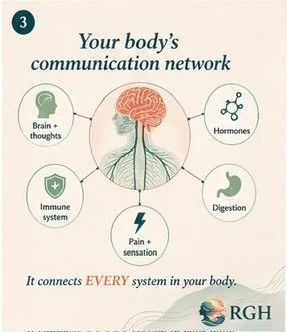
How does a person get to this state? Central Sensitization is almost always driven by chronic, relentless inflammation. When the body is fighting a long-term battle, the constant barrage of immune signals crosses the blood-brain barrier and activates microglial cells (the immune cells of the brain). This neuroinflammation puts the brain in a state of chronic defense.
Here is how specific conditions common in the RGH community trigger this:
1. Chronic Lyme Disease
Lyme disease is caused by a corkscrew-shaped bacteria (a spirochete) that is excellent at hiding in deep tissues and nerve endings.
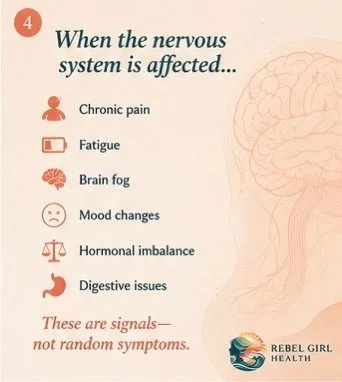
The CNS Impact: The bacteria and the immune system's constant, low-grade war against it create systemic inflammation. This inflammation crosses into the brain, causing neuroinflammation. The constant signaling from damaged peripheral nerves eventually trains the CNS to expect pain and fatigue, leading to Central Sensitization and the classic "brain fog" and widespread pain associated with Chronic Lyme.
2. Hashimoto’s Thyroiditis
Hashimoto’s is an autoimmune disease where the body attacks the thyroid gland.
The CNS Impact: The thyroid controls your metabolism, which includes how your brain utilizes energy. When the immune system attacks the thyroid, it creates a massive inflammatory response. Furthermore, many women with Hashimoto's have antibodies that directly interact with brain tissue. This systemic inflammation keeps the nervous system on edge, contributing to the fatigue, joint pain, and heightened pain sensitivity often misdiagnosed as fibromyalgia.
3. Rheumatoid Arthritis (RA) & Sciatica
Both of these involve intense, localized pain—RA in the joints (autoimmune) and Sciatica in the primary nerve of the leg (mechanical/inflammatory).
The CNS Impact: If you have severe joint pain or nerve impingement for months or years, those pain pathways are firing constantly. Over time, the spinal cord and brain adapt to this constant screaming by adding more pain receptors. Even if you manage to calm the RA with medication, or fix the compressed sciatic nerve, the brain has already "learned" the pain, resulting in a sensitized CNS.
4. PMDD (Premenstrual Dysphoric Disorder)
PMDD is often misunderstood as simply "bad PMS," but it is actually a severe neuro-endocrine disorder.
The CNS Impact: Women with PMDD do not necessarily have abnormal hormone levels; instead, their Central Nervous System has an abnormal, hyper-sensitive reaction to normal hormonal fluctuations (specifically the drop in estrogen and progesterone/allopregnanolone). These hormones deeply influence GABA—the brain's primary calming neurotransmitter. In PMDD, the CNS loses its ability to calm down during the luteal phase, leading to severe mood shifts, bodily pain, and cognitive distress.
The Good News: Reversing Central Sensitization

Because the brain is plastic (neuroplasticity), it can be rewired. If the CNS can learn to be hyper-sensitive, it can be taught to feel safe again. As we build the RGH Library, we will focus on these functional medicine pillars for healing the CNS:
Dampening Inflammation: Identifying and removing the root causes of systemic inflammation (like mold, undiagnosed infections, inflammatory foods, or environmental toxins) so the microglial cells in the brain can stand down.
Vagus Nerve Stimulation: The Vagus nerve is the biological brake pedal for the nervous system. Practices like deep diaphragmatic breathing, cold exposure, humming, and targeted functional therapies can "tone" this nerve, telling the brain it is safe.
Somatosensory Retraining: Working with physical therapists or functional specialists to slowly re-introduce movement without triggering the "danger" response.
Addressing the Gut-Brain Axis: Healing leaky gut, as a massive portion of neurotransmitters (like serotonin) are made in the gut. If the gut is inflamed, the brain is inflamed.